Western Ky Storms

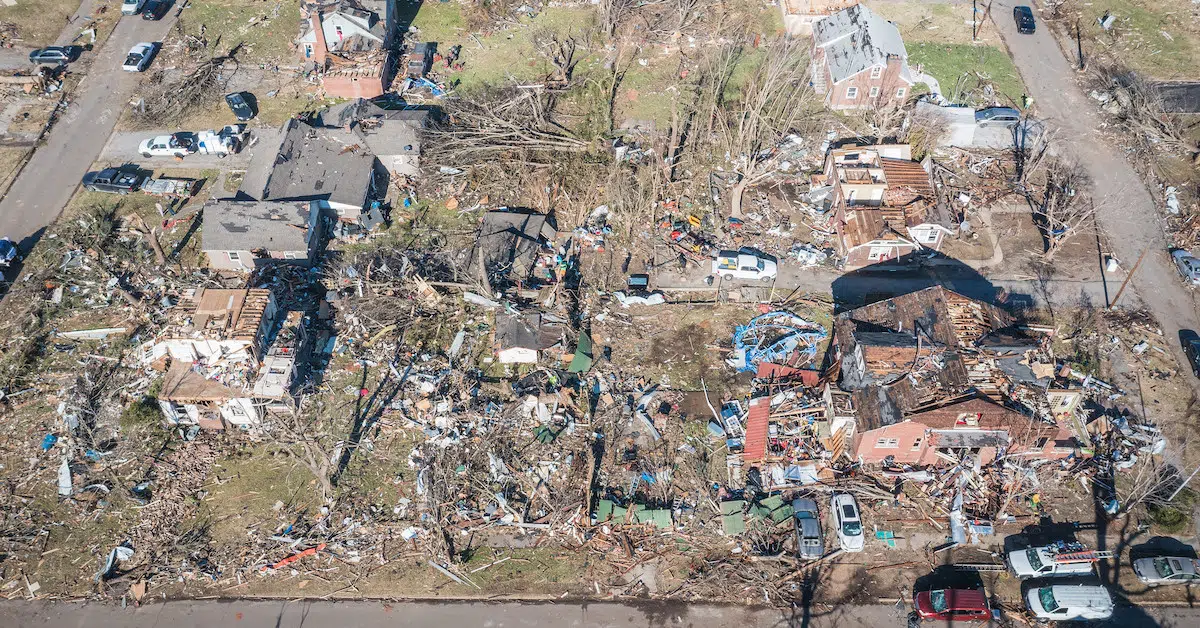
On Dec. 10-11, Western Kentucky was ravaged by two destructive long-track tornadoes. The first — an EF4 — clipped the northwest corner of Christian County remained on the ground for more than 165 miles. Two and a half hours later, an EF-2 “took straight aim for the city of Pembroke” and South Christian County, where it caused significant property damage. Then, just weeks later on New Year’s Day, an EF-2 traveled for about a mile through downtown Hopkinsville.

Explore Hoptown Chronicle’s coverage in the days, weeks and months that followed — chronicling initial reports, resident reactions and ongoing recovery efforts.

Christian County is among the 16 counties that will receive more federal aid to help victims of December's deadly tornadoes.
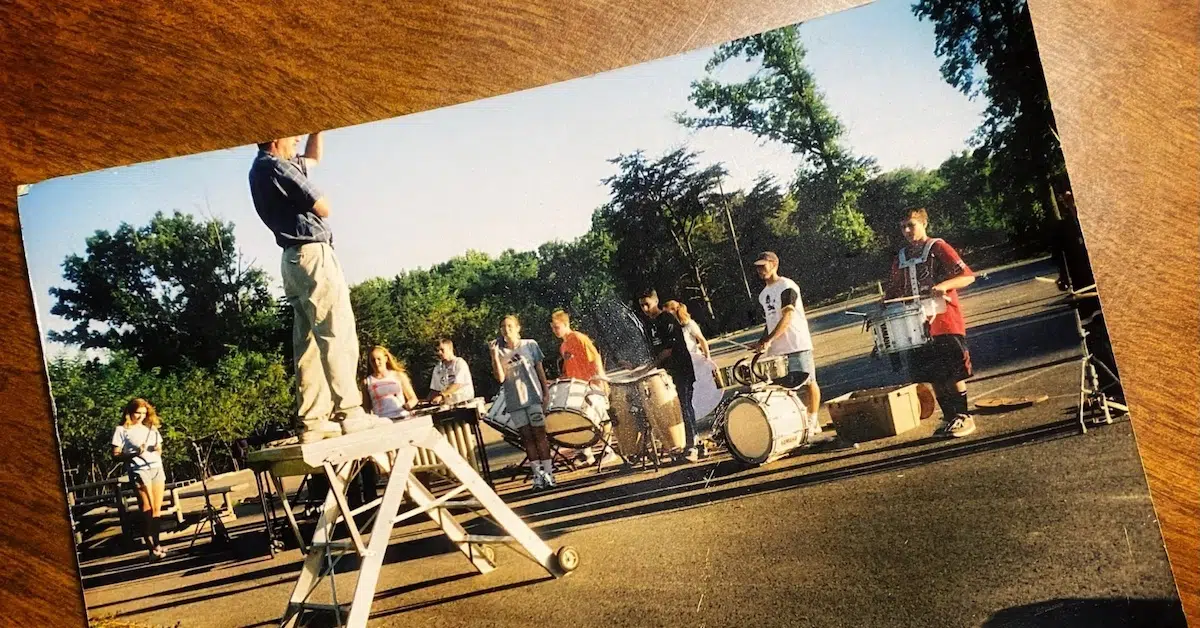
When a devastating tornado struck Dawson Springs, Kentucky, a marching band photo took flight and traveled more than 100 miles away from home. Its journey unearthed more than two decades of local history.
Jobs and housing were mentioned as critical needs in most conversations about the community’s future.
One participant, a man who lost his mother and aunt in the December tornado outbreak, came from Nashville to join the walk.
To be considered for disaster assistance, storm victims must have applied to FEMA before the deadline, which was March 14.
Researchers from 2 universities recently interviewed about 50 tornado survivors from Bowling Green, Dawson Springs and Bremen.
A local meteorologist also offers some tips for how residents can prepare.
The bill waives missed days between Dec. 13, 2021 and Jan. 14, 2022.
Tessa Duvall, who previously reported on Hopkinsville and Christian County for the Kentucky New Era and now works for the Courier Journal, recently wrote about what it has been like for the sole reporter at the Mayfield Messenger.
Other places have pitched in to support the Ice House Gallery, which was destroyed during the December tornado outbreak.
The funds will help communities have better resilience to long-term disasters and greater resources to “ensure equitable outcomes for underserved households” that are disproportionately affected by disasters.

The group invites church, nonprofit, government and business representatives to an organizational meeting on March 29.