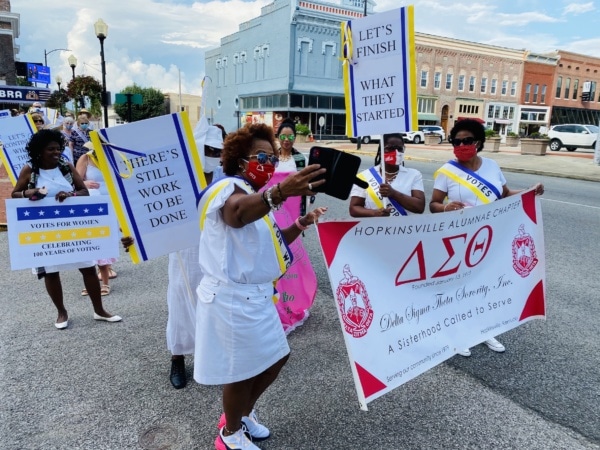
"The right of citizens of the United States to vote shall not be denied or abridged by the United States or by any State on account of sex. Congress shall have power to enforce this article by appropriate legislation." — The 19th Amendment
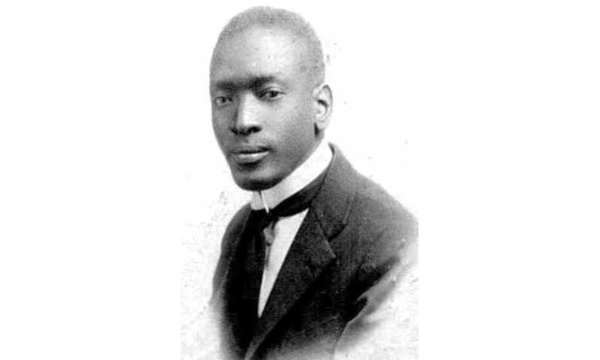
Patterson Tilford Frazer Jr. was born on a tenant farm at Allensville in 1889. He earned his medical degree in Nashville and later practiced medicine in Hopkinsville, where he installed a swimming pool for black residents.
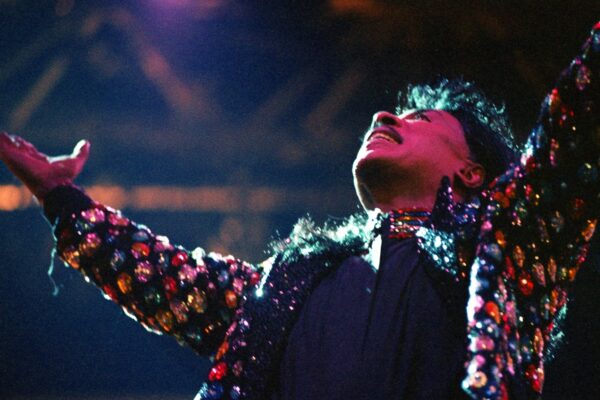
As part of the Chitlin' Circuit, Hopkinsville was host to Little Richard, Ray Charles, Ike and Tina Turner and many other famous Black musicians from the 1930s through the '60s.
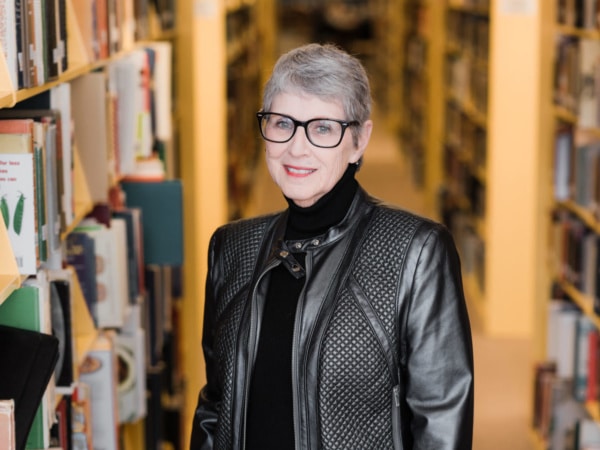
Gail McHenry was 19 years old when she served as the youngest delegate at the 1968 Democratic National Convention. Ebony magazine carried a three-page story about her that fall.
The rich cultural heritage of Calloway County’s African American communities gets scant attention from the community at large, so a booklet like the one marking the 50th reunion of Douglass High School is precious.
Robert Lincoln Poston started his newspaper work in Hopkinsville before moving to Detroit and then New York City. In 1934, he led a delegation to Liberia for black nationalist Marcus Garvey's organization.