Sometimes, there are historical treasures waiting to be explored in your own backyard. Here are five picks from Hoptown Chronicle editor Jennifer P. Brown.
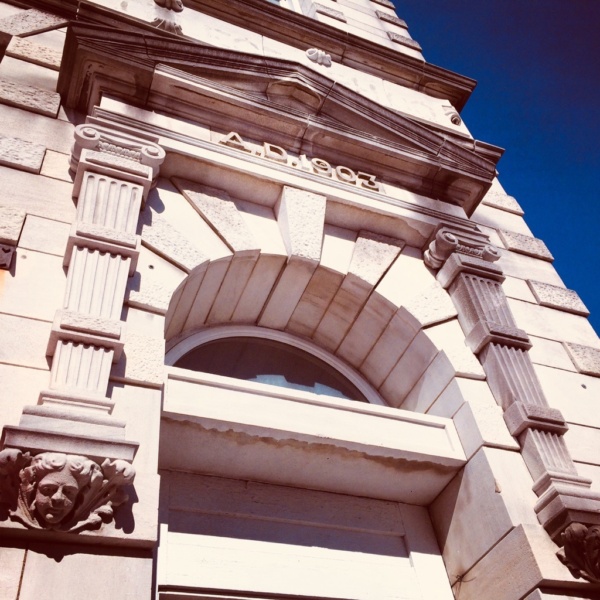
During the Dec. 7, 1907, Night Rider raid on Hopkinsville, gunmen took control of the telephone and telegraph office in this building to prevent anyone from signaling for help.
One historical tidbit woven into Charles Mayfield Meacham's History of Christian County was an ordinance passed in 1906 prohibiting cows from running at large.
Mary Bronaugh devoted much of her adult life to civic and political work. A suffragist, she was a founding member and the first chairwoman of the Kentucky League of Women Voters.
Following their deaths in the winter of 1838-39, the graves of Whitepath and Fly Smith were marked by field stone and eventually became obscured by overgrowth.
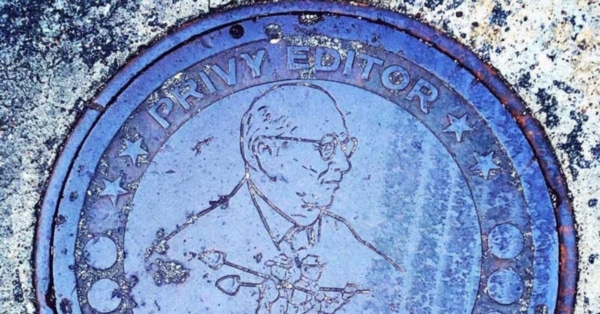
The manhole cover, which features images of Dorris and two sanitation workers from the early 1900s, can be found at the center of Ninth and Main streets.