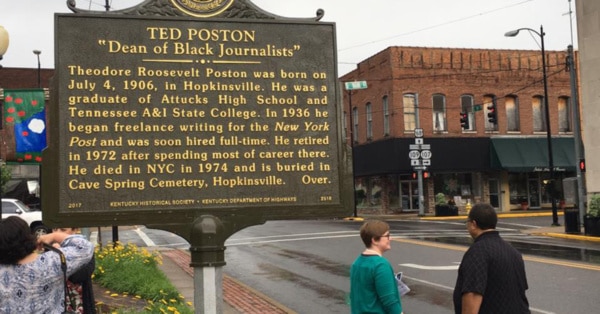
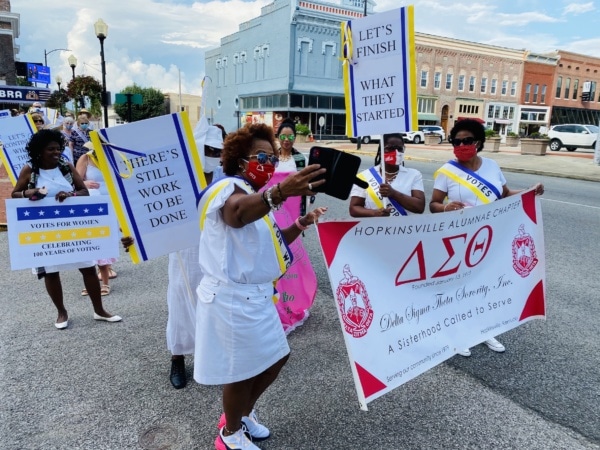
"The Reckoning: Facing the Legacy of Slavery" traces the history and lasting impact of slavery and Jim Crow oppression in Kentucky, exploring many of the issues that have exploded into public consciousness throughout the country in 2020.
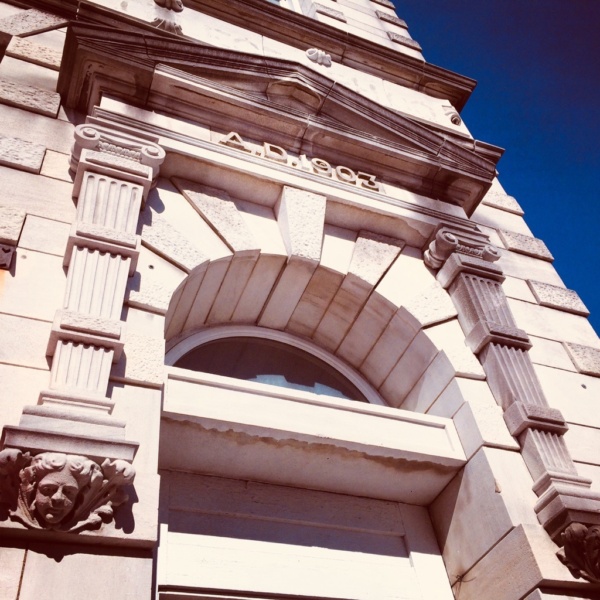
During the Dec. 7, 1907, Night Rider raid on Hopkinsville, gunmen took control of the telephone and telegraph office in this building to prevent anyone from signaling for help.
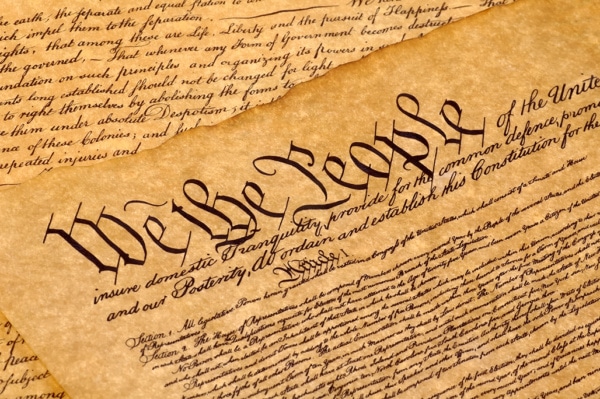
"The right of citizens of the United States to vote shall not be denied or abridged by the United States or by any State on account of sex. Congress shall have power to enforce this article by appropriate legislation." — The 19th Amendment
One historical tidbit woven into Charles Mayfield Meacham's History of Christian County was an ordinance passed in 1906 prohibiting cows from running at large.
Mary Bronaugh devoted much of her adult life to civic and political work. A suffragist, she was a founding member and the first chairwoman of the Kentucky League of Women Voters.
Following their deaths in the winter of 1838-39, the graves of Whitepath and Fly Smith were marked by field stone and eventually became obscured by overgrowth.