History

Jennifer P. Brown is co-founder, publisher and editor of Hoptown Chronicle. You can reach her at editor@hoptownchronicle.org. Brown was a reporter and editor at the Kentucky New Era, where she worked for 30 years. She is a co-chair of the national advisory board to the Institute for Rural Journalism and Community Issues, governing board past president for the Kentucky Historical Society, and co-founder of the Kentucky Open Government Coalition. She serves on the Hopkinsville History Foundation’s board.
In Cayce's game, the players act as traders battling for commodities such as sugar, wheat and coffee.
Gail McHenry was 19 years old when she served as the youngest delegate at the 1968 Democratic National Convention. Ebony magazine carried a three-page story about her that fall.
Dr. Phillip C. Brooks Sr. was a graduate of Attucks High School. He built the hospital in his hometown during World War II.
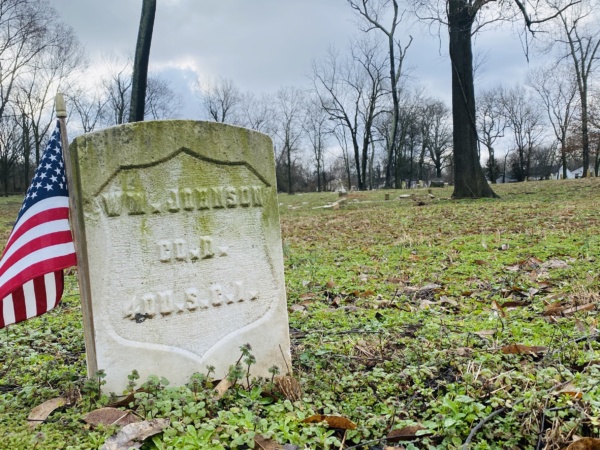
The Union Benevolent Society established the cemetery for African Americans shortly after the Civil War.
headstone
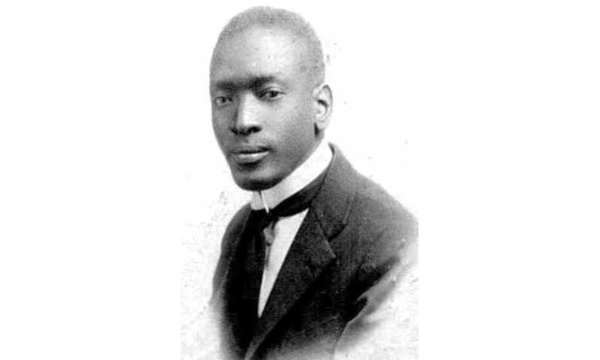
Robert Lincoln Poston started his newspaper work in Hopkinsville before moving to Detroit and then New York City. In 1934, he led a delegation to Liberia for black nationalist Marcus Garvey's organization.
Robert-Lincoln-Poston
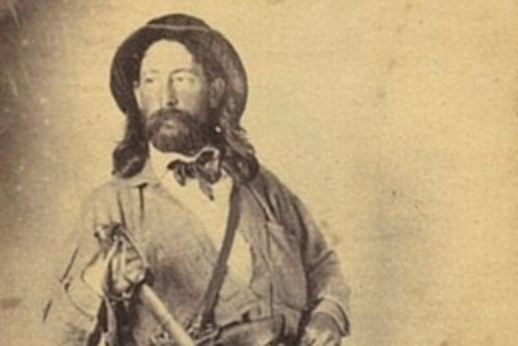
A Union colonel who was tricked into surrendering to the Confederates at Clarksville, Tennessee, called Woodward an "insignificant cuss."
Col-Thomas-Woodward-featured
One of Hopkinsville’s most striking historic landmarks was saved from bring razed in 1959 after the widow of a former city commissioner raised public awareness and money to save the chapel.
The post office building's architectural style represented strength. It remains one of the most striking buildings in downtown Hopkinsville.
Copy-of-Capital-Campaign-Board-Cards-1
The environmental center is on the grounds of the city's old water treatment plant. The 40-acre site has a 2.7 mile walking trail.
The same evangelist also had a role in building a Nashville church that later became a famous music venue.
A memoir of Starling's 30 years in the White House relied, in part, on details he shared in some 11,000 daily letters written to his mother in Hopkinsville.

Films were not shown at the Alhambra from 1983 to 2013. Digital film equipment brought movies back with grants and local donations.