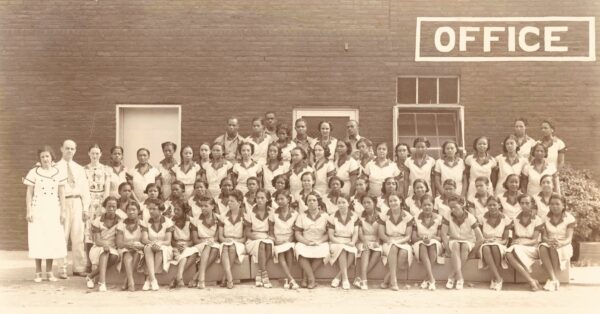
A photo take in the 1930s or '40s shows that all of the production workers for Baus Manufacturing Co. were African American women. They made work gloves.
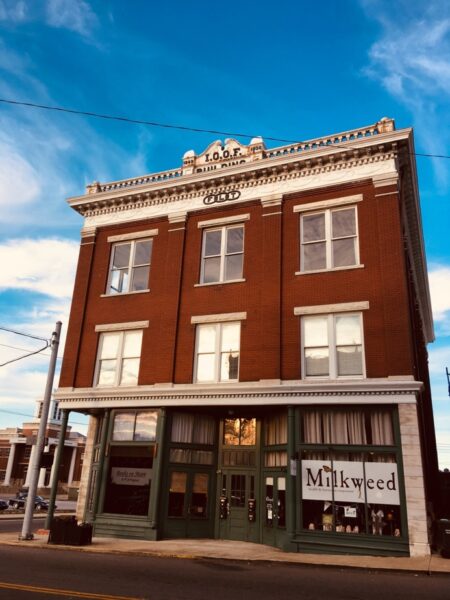
Sarah Dalton Todd's memoir provided clues Grace Abernethy sought to learn about Black families who did laundry and other domestic work on East Seventh Street around the turn of the 20th century.
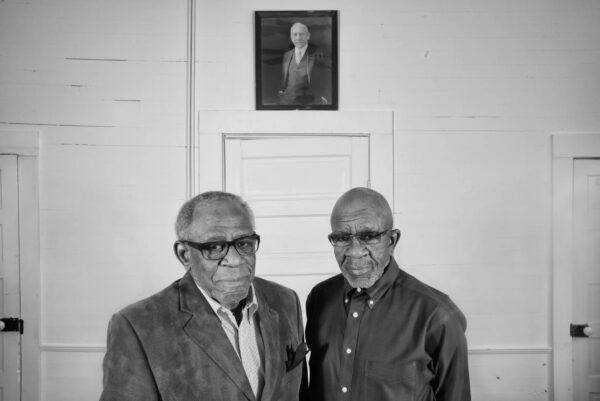
Out of nearly 5,000 “Rosenwald” schools built to educate African American students in the south, approximately 500 remain. Photographers, advocates, and academics are working to preserve their history.
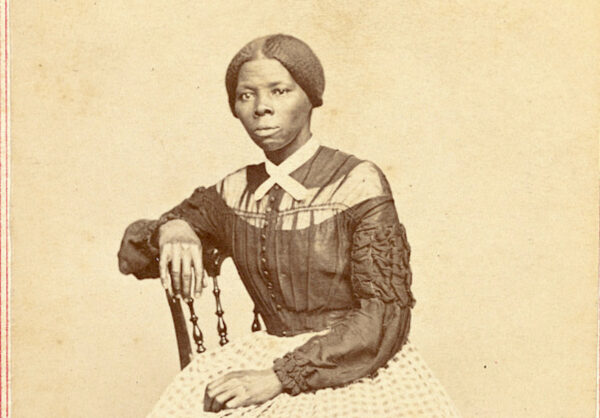
While her activities as a Civil War spy are less well known, her devotion to America and its promise of freedom endured despite suffering decades of enslavement and second-class citizenship.
The three Americans all fought in France in January 1945. One soon died of his wounds, another found fame and fortune, and the other’s heroism was almost unknown until after his death.
It took Grace Abernethy months to find radiators for the old Dalton house, but in the process she also chased down a mystery about a local telephone company.