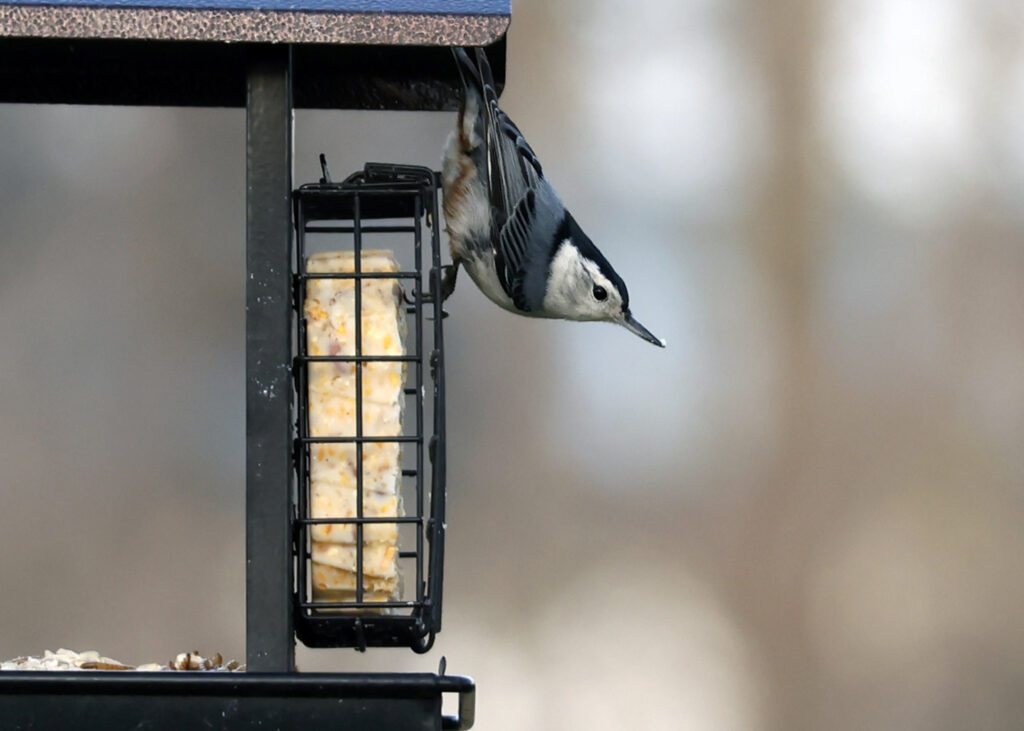
Feathers, beaks, chirps, songs and plenty of bird community fun return during the 2026 Great Backyard Bird Count Feb. 13 through 16.
Participation can take just 15 minutes: Open a window or step outside, and spend some time counting and trying to identify your feathered friends. Then, submit your counts using one of the tools on the GBBC website to tally all the birds you see or hear. Backyard birders help scientists better understand and protect birds all around the globe.
If you’re new to bird watching and have a smartphone, GBBC experts recommend using the Merlin Bird ID app to enter your first bird. It is free and considered easy to use. For more experienced bird lovers, using the free eBird Mobile app is a fast way to enter your bird lists in real time.
For more social bird counters, communities across the world will be hosting group count events. Click here to see if there’s a flock near you to join.
A free, one-hour webinar will be offered at 2 p.m. Thursday, Feb. 5, for anyone wanting to learn more about how to participate in the bird count. A second session of the beginner-friendly webinar will be offered at 6 p.m. on Wednesday, Feb. 11.
The webinar is a collaboration of the National Audubon Society, Cornell Lab of Ornithology and Birds Canada.
Registration is available online.
‘This lively, beginner-friendly webinar will inspire you to deepen your connection with birds while joining a worldwide count,” organizers said.
The Great Backyard Bird Count is an opportunity for parents and children to do something outside that brings joy and helps nature. To get kiddos on the path to counting greatness, many local libraries have books about the count. Other bird-oriented books for younger readers include stories about watching, drawing and feeding birds.
The count is sponsored by the ornithology lab at New York state’s Cornell University, the National Audubon Society and Birds Canada. The sponsors say counting birds has become more important, and note that scientists recently reported a decline of more than one in four breeding birds in the U.S. and Canada since 1970. To sign up, click here.
The 2025 GBBC yielded some incredible results. Together, birders from 217 countries or eBird subregions found 8,078 species of the world’s known species — 158 more than in 2024. To participate in this year’s momentous count, click here.

The Rural Blog is a publication of the Institute for Rural Journalism and Community Issues based at the University of Kentucky.