Sarah Ladd is a Louisville-based journalist and Kentuckian. She has covered everything from crime to higher education. In 2020, she started reporting on the COVID-19 pandemic and has covered health ever since.
As lawmakers head into the 2026 legislative session, Kentucky Agriculture Commissioner Jonathan Shell says his top priorities include retaining state agriculture employees, expanding school nutrition efforts and advancing “food as medicine” initiatives — while also weighing the uncertain impact of recent federal cuts to SNAP and Medicaid. In an end-of-year interview, Shell also reflects on his work with foster youth and confirms he plans to seek reelection.
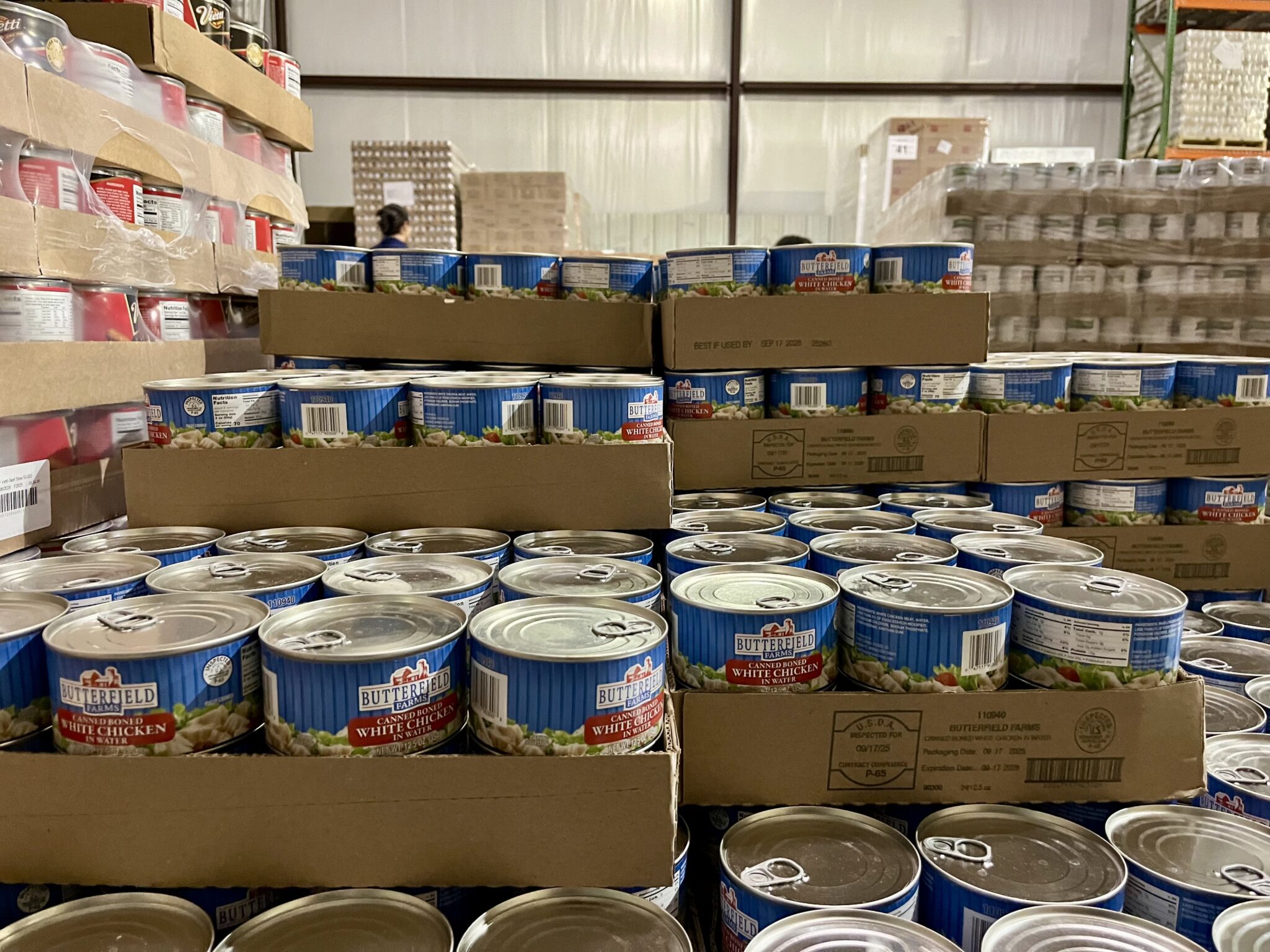
In October, 645,461 used SNAP benefits to buy groceries in Kentucky. Those people are turning to food banks, which were already stretched thin in meeting the needs of a state with high rates of food insecurity and are now seeing even more visitors.
The emergency funds, distributed through Feeding Kentucky’s network, are meant to provide short-term relief as demand surges statewide — though advocates note the aid can’t match the scale of federal support, which typically covers nine meals for every one provided by food pantries.
Even as Kentuckians brace for delayed or reduced SNAP payments amid the ongoing federal shutdown, new federal rules are taking effect that expand who must meet work and reporting requirements to keep their benefits. Starting Nov. 1, most adults ages 18 to 64 — including veterans, the homeless, and former foster youth — must now document at least 80 hours of work or job training each month.